.jpg)
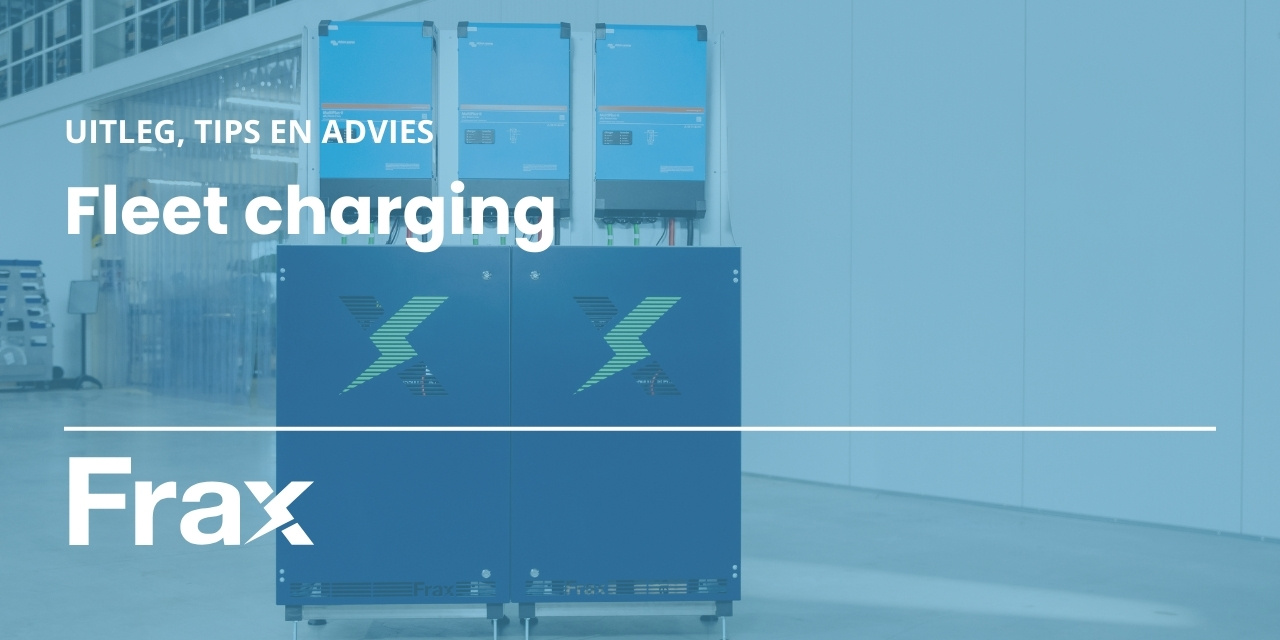
From local charging stations to large-scale charging infrastructures, there are various options available that meet the specific needs of different types of vehicles and business models. Here we discuss the most important aspects of fleet charging and how it contributes to efficient and sustainable business operations.
What is fleet charging?
Fleet charging refers to charging multiple electric vehicles within a business environment. This can range from charging a few vehicles in a small fleet to charging hundreds of vehicles in a large corporate network.
The goal is to provide a charging solution that is not only efficient, but also makes charging vehicles as sustainable and cost-effective as possible and reduces peak loads . Fleet charging involves managing charging infrastructure, planning charging sessions, and integrating sustainable energy sources to minimize operational costs.
For larger fleets, grid congestion is becoming an increasingly significant issue: the available grid connection is often insufficient to charge all vehicles at full power simultaneously. A BESS system provides a solution by supplying peak power when the grid connection falls short.
Key aspects of EV fleet charging
There are several important aspects to consider when it comes to fleet charging. These elements contribute to the efficiency, sustainability, and cost control of charging an electric fleet, for example with a green battery. The most important aspects are discussed below:
Centralized charging infrastructure
A centralized charging infrastructure is essential for managing an electric fleet. This means that charging stations are managed centrally, making it possible to monitor, plan, and optimize charging sessions. With centralized energy hub systems, companies can manage vehicle charging remotely, which increases operational efficiency.
Smarter charging
Smart charging, also known as dynamic charging, uses technologies that optimize charging by scheduling charging sessions during periods of low electricity demand, employing techniques such as load balancing and peak shaving. This not only reduces charging costs but also helps balance the power grid. Smart charging can also be combined with an energy storage system, enabling businesses to store excess energy and use it when it is most cost-effective.
Fast charging
Fast charging is a key component of fleet charging, especially for companies that face tight turnaround times and limited charging time. Fast chargers (DC charging from 50 kW to 350 kW) can charge vehicles in a short amount of time, ensuring minimal disruptions to a company’s operational processes—for electric trucks, even MCS chargers (Megawatt Charging System, up to 1 MW) are used. These charging systems are crucial for supporting the flexibility and mobility required for fleet management.
Digital fleet management
Digital fleet management solutions enable companies to efficiently manage their electric vehicles and charging infrastructure via digital platforms. By using data analysis and real-time monitoring, fleet managers can see when vehicles need to be charged, which charging stations are available, and how best to plan charging sessions. This leads to greater operational efficiency and lower costs.
Energy Management
Energy management plays a key role in optimizing fleet charging. By managing energy consumption and charging cycles, companies can reduce their costs while contributing to sustainability. The use of Battery Energy Storage Systems (BESS), such as Frax's solutions, makes it possible to store energy during off-peak hours and use it during peak hours, thereby minimizing costs.
The benefits of an EV charging fleet
Implementing an EV charging fleet offers companies numerous advantages. Below are the most important benefits that companies can achieve by choosing a fleet charging solution:
- Cost savings: through smart energy management and charging at off-peak times, companies can significantly reduce their energy costs.
- Increased efficiency: Centralized management allows companies to plan vehicle charging more efficiently, which increases productivity.
- Sustainability: The use of electric vehicles and sustainable charging solutions reduces companies' CO2 emissions, contributing to their environmental goals.
- Flexibility: fast charging and smart charging systems enable companies to charge vehicles quickly, even with a large fleet.
Different types of vehicles for EV charging fleet
An EV charging fleet can include different types of vehicles, depending on the company's needs. From shared cars to trucks, each type of vehicle has its own charging requirements. Below, we discuss the different types of vehicles that can benefit from fleet charging:
Car sharing
Shared cars are becoming increasingly popular in urban environments, especially for companies that want to share their vehicle fleet or use it more flexibly. Fleet charging offers the advantage of quickly charging multiple vehicles at different locations, so that they are always ready for use. This enables companies to manage shared cars efficiently and optimize operational costs.
Business fleets
Business fleets, which often consist of different vehicles of varying sizes, benefit from fleet charging due to its efficiency in charging and managing charging points. This enables companies to charge their vehicles quickly and at low cost, while simultaneously monitoring and optimizing their energy consumption.
Trucks
Trucks often require powerful charging solutions due to their larger batteries and long distances. Fleet charging offers these vehicles the ability to charge quickly and efficiently, so they can quickly return to transport duties. This solution is ideal for transport companies that want to electrify their fleet while controlling costs.
Bidirectional charging (V2G, or vehicle-to-grid) is increasingly being used for light commercial vehicles, allowing vehicles to feed power back to the business premises or the grid while they are parked.
Buses
Electric buses can benefit from fleet charging through the use of smart charging infrastructure that ensures efficient charging overnight or at specific charging locations. This enables city transport operators and public transport companies to maintain their electric buses in a sustainable and cost-effective manner.
Want to set up fleet charging for a charging station?
Implementing a charging plaza for an electric fleet offers significant advantages. By combining multiple charging stations in a central location with a large battery storage system, companies can optimally plan charging times and reduce their costs.
In addition, battery storage systems for businesses can store surplus energy so that it can be used when demand for electricity is at its highest. This not only ensures more efficient energy management, but also makes it possible to benefit from lower energy costs during off-peak hours. Frax offers customized solutions that support businesses in realizing these sustainable charging solutions.
Are you looking to implement a fleet charging solution but finding that your grid connection is reaching its limits? Our BESS systems make it possible to charge more vehicles at the same time without the need for costly grid upgrades—and you benefit from smart charging at favorable electricity rates.
This post was last updated on: