.jpg)

Battery storage offers an effective way to set up charging infrastructure that is reliable, scalable, and future-proof. By storing energy locally and using it smartly, you create more flexibility within the available grid capacity and improve the economic feasibility of charging projects.
Why energy storage is important for charging infrastructure
Charging infrastructure for electric vehicles has highly peak-oriented energy consumption. Power demand can rise rapidly, especially when multiple vehicles are charged simultaneously. In many areas, the electricity grid is not equipped to handle this, which slows down or limits expansion.
Energy storage makes it possible to absorb these peaks and distribute the charging capacity more evenly throughout the day. This keeps the load on the grid manageable and allows charging infrastructure to be rolled out more quickly.
What is meant by charging infrastructure?
Charging infrastructure includes all facilities needed to charge electric vehicles. This includes charging points for passenger cars, charging stations for electric vans and trucks, fast charging stations, and charging solutions at business parks or logistics locations.
This infrastructure is characterized by high and often simultaneous power demand, where availability and reliability are essential for users and operators.
What is a Battery Energy Storage System (BESS) for charging applications?
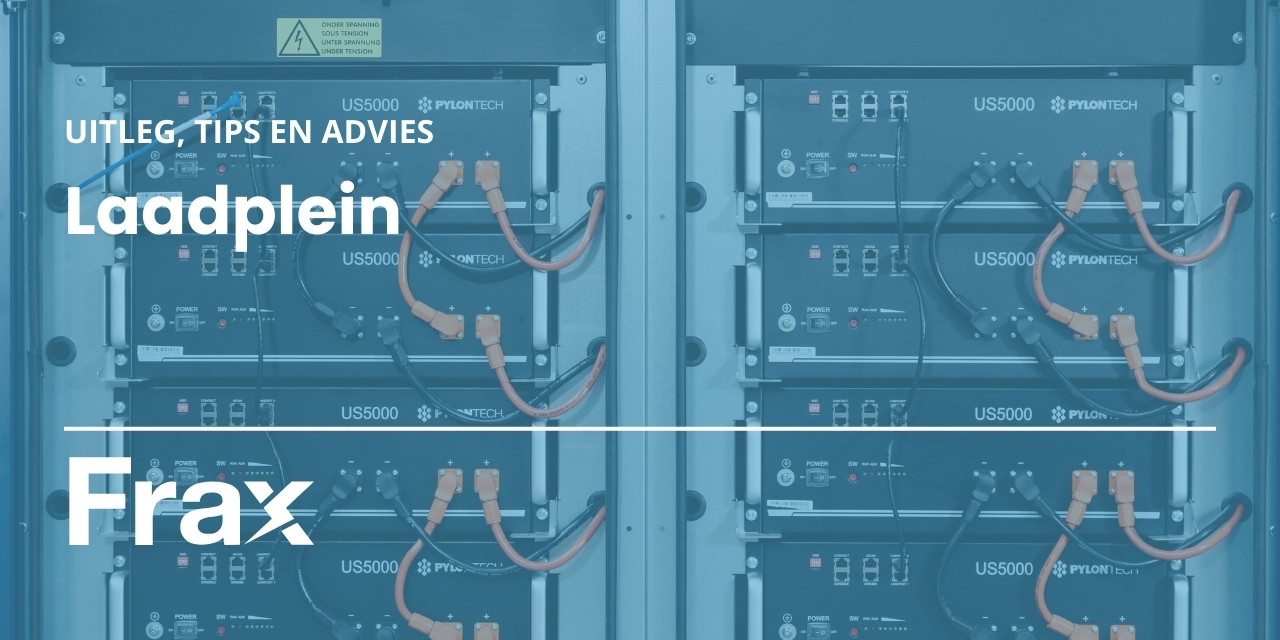
A Battery Energy Storage System, abbreviated as BESS, is an integrated system that stores electrical energy in batteries and makes it available at a later time. In charging applications, a BESS acts as a buffer between the power grid and the charging points.
The system consists of batteries, power electronics, and an energy management system that automatically determines when energy is stored or supplied. This allows the charging process to be tailored to grid capacity, energy rates, and the use of the charging points.
Peak load and grid congestion during EV charging
EV charging often causes high peak loads, especially when multiple vehicles are connected at the same time. This can lead to the available connection capacity being exceeded and higher costs for power consumption.
In addition, grid congestion is an obstacle to the expansion of charging locations. Battery storage allows you to smooth out peaks by temporarily drawing extra power from the BESS, reducing the load on the grid connection and ensuring that charging continues to run smoothly.
Common applications of battery storage in charging infrastructure
Battery storage is used in charging infrastructure to make the charging process more efficient and reliable. The application varies depending on the location and type of charging facility, but the goal is always to manage power intelligently and control costs.
Peak shaving with simultaneous charging
When multiple electric vehicles are charged simultaneously, the power demand can quickly increase. With peak shaving, the BESS temporarily supplies extra energy, limiting the power demand on the grid. This keeps charging points available without the need to upgrade the grid connection.
Support for fast chargers and charging stations
Fast chargers and larger charging stations require a lot of power in a short period of time. Battery storage supports these applications by storing energy in advance and making it available during charging sessions. This enables fast charging at locations where the grid would otherwise offer insufficient capacity and contributes to a stable charging experience.
When is battery storage profitable in charging infrastructure?
The profitability of battery storage in charging infrastructure depends on factors such as charging capacity, usage intensity, energy rates, and grid constraints. When these elements come together, a BESS can both reduce costs and accelerate expansion.
- There is a high peak load due to the simultaneous charging of multiple vehicles.
- The available grid connection is limited or expansion is not possible due to grid congestion.
- The charging plaza utilizes fast chargers with high power requirements.
- There is a need for predictable energy costs and better asset management.
- The rollout or upscaling of charging infrastructure must take place within existing grid capacity.
Frax BESS solutions for charging infrastructure
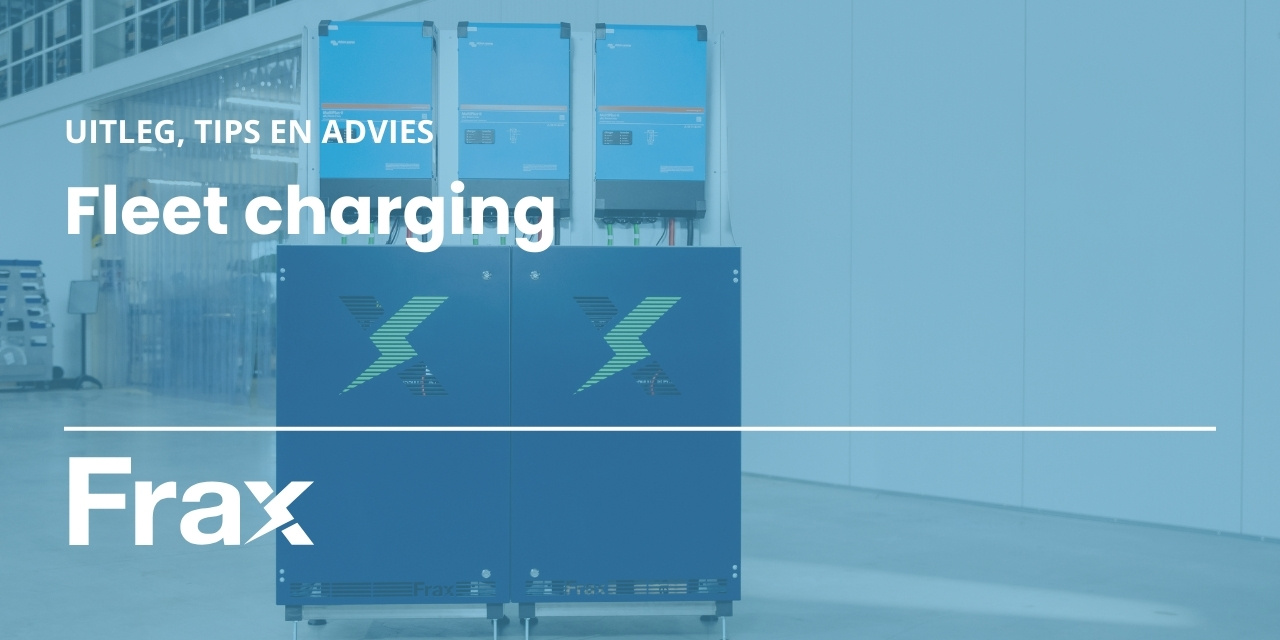
Frax supplies innovative Battery Energy Storage Systems that have been specially developed to take the pressure off installers in charging infrastructure projects. Frax's plug-and-play BESS solutions are easy to integrate and are controlled by a smart energy management system.
This allows you to implement charging projects faster, manage peak loads, and optimize the performance of charging points. With scalable and reliable energy storage, Frax supports the further growth of electric transport and future-proof charging infrastructure.
This post was last updated on: