.jpg)

This can lead to peak voltage, restrictions on feed-in, and lower efficiency of your installation. With an energy storage system for self-consumption, you can respond to this effectively. You store energy locally, use it at the right time, and maintain more control over your own energy management.
What is an energy storage system for self-consumption?
An energy storage system for self-consumption is an integrated battery solution that temporarily stores locally generated energy. The system consists of a battery, an inverter, and an intelligent energy management system that controls the energy flows.
Instead of feeding excess energy directly back into the grid, it is stored for later use within your own installation. This increases your own consumption of sustainable energy and reduces the risk of voltage problems associated with overloading the power grid.
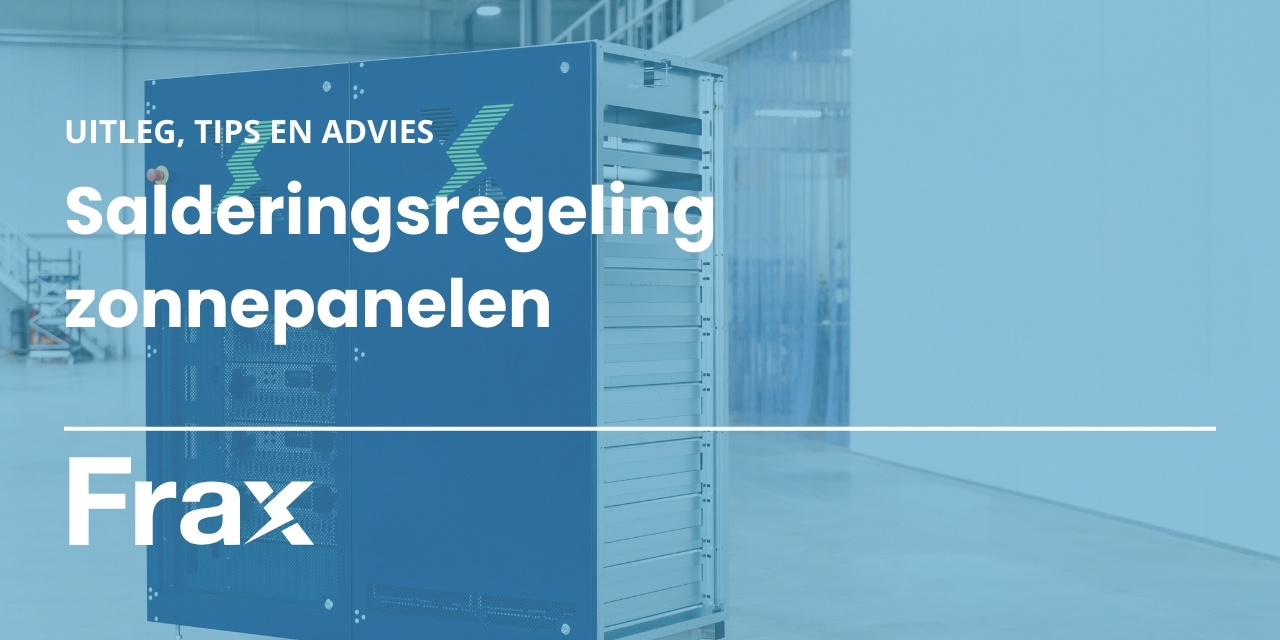
Frax's Battery Energy Storage Systems are designed so that all components work together optimally within a single, reliable unit.
How does an energy storage system work within an energy system?
Within an energy system, the energy storage system acts as an active buffer between generation and consumption. The energy management system continuously measures the grid voltage, power, and energy consumption.
When the voltage rises due to a surplus of solar energy, the charging signal to the battery is activated. At times when consumption increases or the voltage drops, the battery returns the stored energy to the installation.
This process helps to smooth out voltage peaks and prevents the connection from having to deal with peak loads on a structural basis. Thanks to the Frax EMS, this control is automatic and precisely tailored to your situation.
Applications and benefits of an energy storage system for home use
For home use, an energy storage system offers a practical and future-oriented solution to voltage problems and inefficient energy consumption.
By storing energy smartly and using it at the right time, a more stable energy system is created that is better suited to modern homes and growing electrification.
- Peak voltage limitation: excess solar energy is stored locally, making the grid voltage more manageable and protecting equipment.
- Higher self-consumption: you use more of your own generated energy, even when production is lower than consumption.
- Lower grid load: less feed-in helps to limit structural grid problems and is in line with broader solutions for energy storage systems for grid congestion.
- Greater independence: you are less dependent on grid restrictions, fluctuating energy prices, and future regulations.
- Prepared for expansion: an energy storage system provides a solid foundation for applications such as electric vehicles, heat pumps, and smart energy management.
Looking for more information about energy storage systems for self-consumption?
If you would like more insight into how energy storage can contribute to managing peak voltage and increasing self-consumption, Frax will be happy to help you.
Contact us for personalized advice and discover how our plug-and-play BESS solutions ensure a stable, efficient, and future-proof energy system.
This post was last updated on: