.jpg)
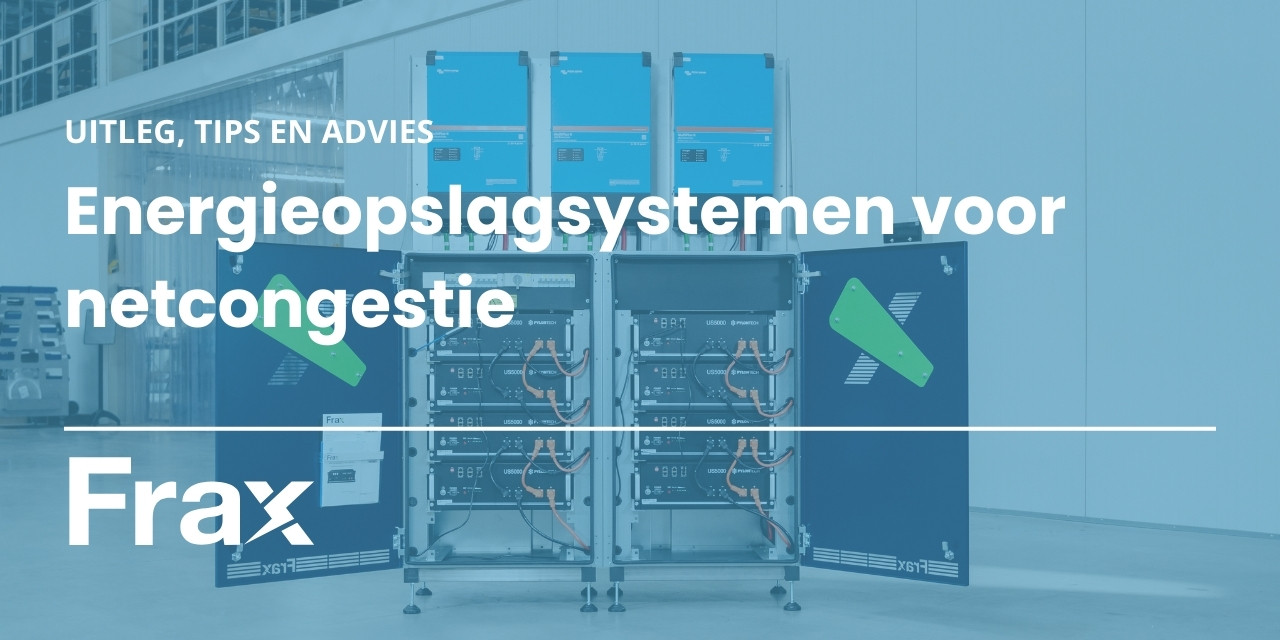
This can hinder expansion, sustainability, or even normal energy consumption. With an energy storage system for grid congestion, you create flexibility within your energy system and reduce your dependence on the grid. This allows you to cope with grid problems without having to wait for infrastructure adjustments.
What is network congestion and why is it a problem?
Grid congestion occurs when the electricity grid does not have sufficient capacity to handle the power demanded or supplied. This can occur during both energy consumption and energy feed-in.
In practice, this means that new connections will be refused, existing connections cannot be upgraded, or feed-in will be restricted.
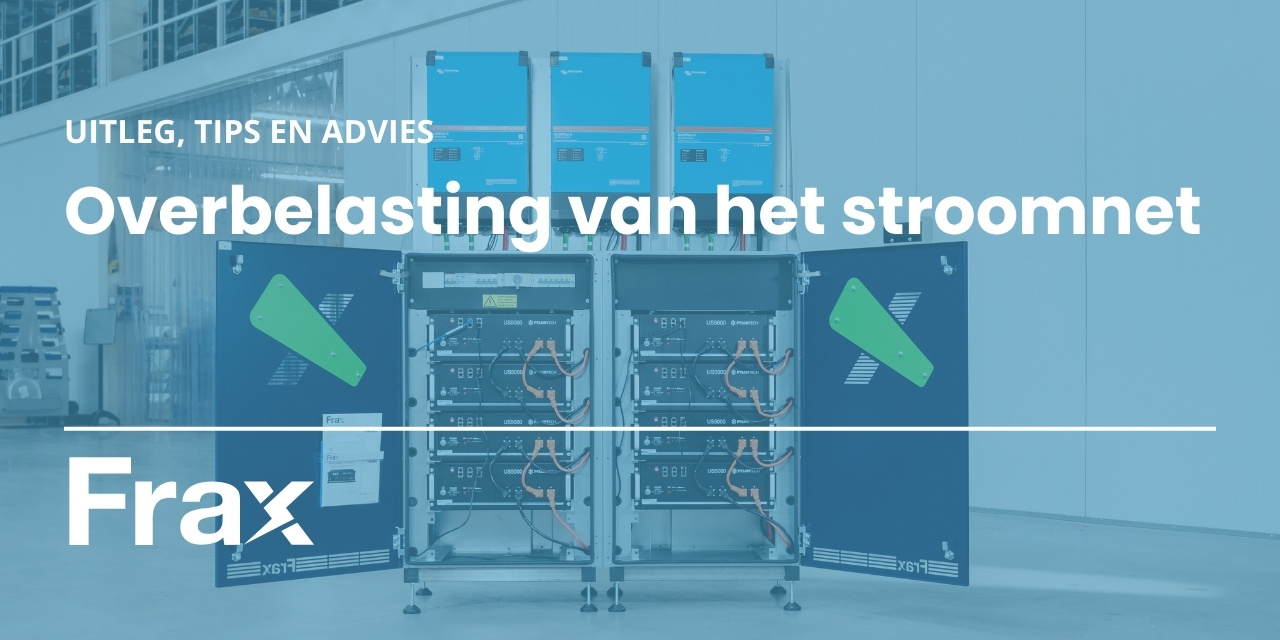
This situation is closely linked to the overloading of the power grid, with local grid sections reaching their maximum capacity on a structural or temporary basis. For businesses and households, this poses a direct obstacle to growth and sustainability.
How does grid congestion occur on the electricity grid?
The causes of grid congestion lie mainly in the uneven development of energy demand and grid infrastructure. Solar panels, electric vehicles, heat pumps, and electric processes cause high power peaks at specific times.
This results in an uneven load on the grid, particularly at the local level. These peaks can lead to peak loads within connections and grid sections, while grid reinforcement often takes years to implement. The result is a structural shortage of available capacity.
How does an energy storage system help reduce grid congestion?
An energy storage system acts as a flexible buffer within the energy system. When the grid becomes full, surplus energy is stored locally in the battery. When demand increases or when the grid has space again, this energy can be used immediately.
The energy management system continuously monitors the grid load, power, and consumption and controls the charging and discharging process accordingly. This spreads the load and reduces the pressure on the electricity grid.
This approach is closely aligned with other energy storage applications, such as energy storage systems for self-consumption, where flexibility within the energy system is key.
Applications of energy storage in grid congestion
In practice, energy storage is used in locations where the electricity grid does not offer sufficient capacity, while energy consumption or energy generation must continue.
An energy storage system makes it possible to continue operating within the existing connection. This is particularly evident in the following situations:
- Expansion of business activities: companies can grow or electrify without immediately requesting a heavier grid connection.
- Limited feed-in of solar energy: surplus generation is stored instead of being disconnected, allowing installations to continue to perform optimally.
- Peak load within the connection: energy storage absorbs temporary power peaks and prevents contract power from being exceeded.
- Temporary grid restrictions: in the event of congestion problems, a battery offers a practical solution until grid reinforcement is possible.
- Combination with smart energy management: linking storage to energy management creates a more stable and predictable energy system.
Want to know more about energy storage systems for grid congestion?
If you would like more insight into how an energy storage system can help solve grid congestion within your project or installation, Frax would be happy to work with you.
Contact us for expert advice and discover how our plug-and-play BESS solutions provide flexibility, reliability, and future-proof energy management.
This post was last updated on: