Growing energy demand and grid congestion
Van Houten faced a number of specific challenges that were becoming increasingly urgent:
- Peak Load: The simultaneous charging of electric vehicles and operation of cooling systems caused significant spikes in energy consumption, which led to high grid costs.
- Solar Energy Surplus: During the day, the 1,200 solar panels generated more electricity than the company could consume immediately. The surplus was fed back into the grid at low rates.
- Grid congestion: The grid operator was unable to provide a higher-capacity connection. As a result, the expansion of the charging infrastructure was blocked.
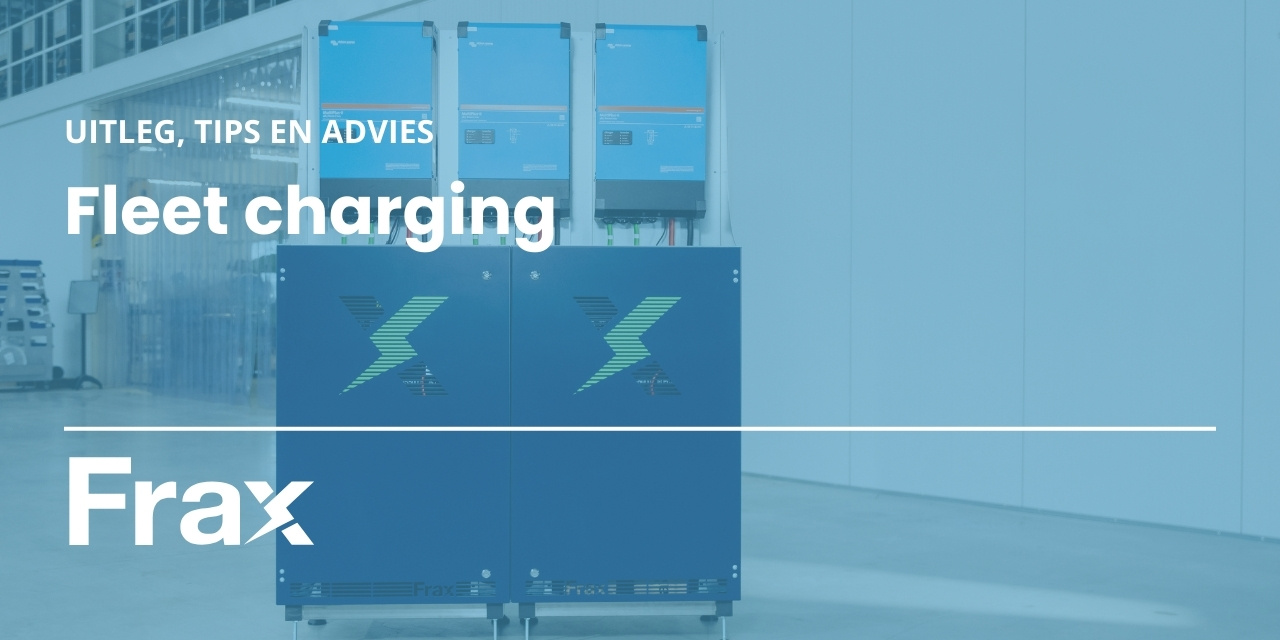
Frax Container BESS with Integrated EMS
In collaboration with the installer ElektroVolt B.V., Frax installed a 20-foot container-based solution with a capacity of 645 kWh and a power output of 300 kW. The system was delivered as a fully plug-and-play solution and was operational within one day.
The Frax Energy Management System (EMS) automatically controls the battery based on real-time consumption data, solar energy production, and grid load. The main applications:
- Peak Shaving: The EMS automatically smooths out peak demand, eliminating the need to increase contracted capacity.
- Self-consumption: Solar energy is stored during the day and used in the evening to charge vehicles and power cooling systems.
- Grid Discharge: Smart charging and discharging ensure optimal use of the grid connection without exceeding limits.
Our collaboration with Frax went exceptionally smoothly. The system was up and running within a day, and we saw immediate results. Our energy costs have dropped dramatically, and we can now expand without overloading the grid.
Result
Measurable impact from day one
Within the first six months after installation, Van Houten achieved the following results:
- €38,000 in annual savings on energy costs through peak shaving and optimal self-consumption
- 92% of the solar energy generated is consumed on-site (previously 54%)
- No grid upgrades needed — charging infrastructure expanded from 4 to 12 charging points within the existing connection
- Payback period: estimated at 4.5 years